
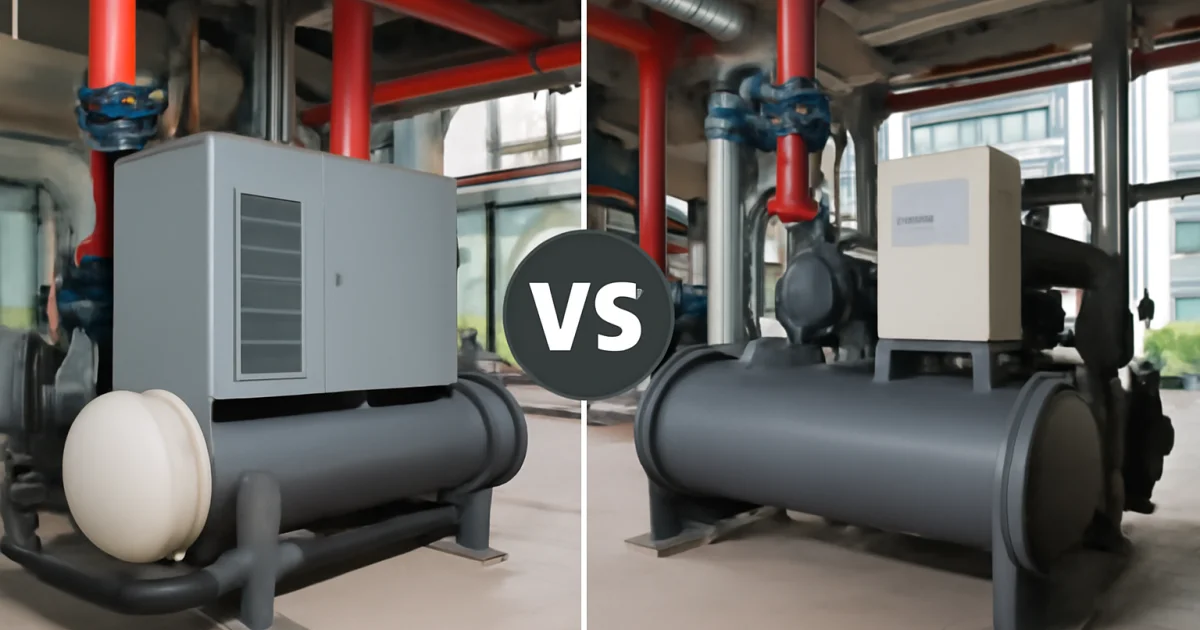
As energy efficiency and reliable cooling become top priorities for industrial and commercial facilities across Malaysia, the decision between inverter chillers and conventional chillers is increasingly important. Whether you operate a manufacturing plant, manage a commercial building, or are upgrading an existing HVAC system, making the right investment can impact your operational costs, equipment lifespan, and overall sustainability. This guide provides a comprehensive comparison of inverter chillers and conventional chillers, helping you determine which system suits your needs and delivers the best long-term value. For readers comparing options, Inverter Chiller Malaysia is the main topic this guide explains.
Understanding the Basics: Inverter vs Conventional Chiller Technologies
Inverter chillers use variable-speed compressors that adjust their output according to the required cooling load. This means the compressor can slow down or speed up as needed, leading to significant energy savings and consistent temperature control. Conventional chillers, on the other hand, operate using fixed-speed compressors that either run at full capacity or are turned off. This on/off cycling generally results in higher energy consumption and temperature fluctuations.
Energy Efficiency and Cost Savings
One of the primary reasons businesses in Malaysia are considering inverter chillers is their superior energy efficiency. By modulating their compressor speed, inverter chillers consume only the power necessary to meet real-time cooling demands. This results in reduced electricity bills, especially for facilities with variable cooling loads, such as manufacturing lines or commercial spaces with fluctuating occupancy.
Conventional chillers, in contrast, provide less flexibility and often run at full power even when cooling demand is low. This not only leads to higher energy consumption but can also put additional strain on electrical infrastructure. Over time, the operational cost difference between inverter and conventional systems can be substantial, making inverter chillers a preferred choice for businesses focused on long-term savings.
Performance and Temperature Control
Consistent temperature is crucial for many industrial processes and comfort in commercial buildings. Inverter chillers shine in this area through their ability to precisely match cooling output to demand. This results in minimal temperature swings, protecting sensitive equipment, production lines, and ensuring optimal indoor comfort for building occupants.
Conventional chillers may struggle to maintain tight temperature tolerances because their fixed-speed operation causes more significant fluctuations. This can impact product quality in manufacturing environments and reduce comfort levels in office or retail settings.
System Reliability and Maintenance
Modern inverter chiller systems are designed for durability and often experience fewer start-stop cycles, which reduces mechanical wear on compressors and other components. This can lead to longer equipment lifespans and lower maintenance costs over time. In addition, advanced inverter chillers typically feature comprehensive diagnostic and control systems, making troubleshooting and preventive maintenance more straightforward.
While conventional chillers are known for their robust, proven technology, their frequent cycling can accelerate component wear. This increases the likelihood of breakdowns and the need for more regular servicing. For facilities where uptime is critical—such as data centres, large commercial buildings, or industrial plants—investing in a reliable system can prevent costly downtime.
Initial Investment vs Long-Term Value
There is typically a higher upfront cost associated with inverter chillers compared to conventional models. However, this initial investment is often offset by lower operating costs, reduced maintenance needs, and energy savings over the system’s lifespan. Many Malaysian businesses find that the payback period for inverter chillers ranges from two to five years, depending on usage patterns and local electricity rates.
Conventional chillers may offer a lower purchase price, making them appealing for projects with tight capital budgets. Yet, the higher ongoing costs for energy and maintenance can make them less economical over the long term, especially for facilities with significant or variable cooling requirements.
Suitability for Malaysian Facilities
The Malaysian climate places year-round demands on chiller systems, especially in manufacturing, industrial, and commercial environments. Inverter chillers are particularly well-suited for facilities that experience variable cooling loads, such as offices, retail complexes, and factories with changing production schedules. Their adaptability ensures both energy efficiency and stable operation, even during peak temperature periods.
For simple applications where cooling loads are constant and operational hours are limited, conventional chillers may still serve as a practical option. However, most modern facilities benefit from the flexibility, control, and efficiency that inverter chillers provide, especially when considering future scalability and sustainability goals.
Making the Right Investment: Factors to Consider
When deciding between inverter and conventional chillers, key factors include:
- Cooling Load Variability: Facilities with fluctuating demands will benefit most from inverter technology.
- Budget Constraints: Consider both upfront costs and long-term savings.
- Maintenance Resources: Assess your ability to manage ongoing servicing and repairs.
- Energy Prices: Higher electricity costs make inverter chillers even more attractive.
- System Longevity: Consider the total cost of ownership over 10+ years.
Consulting with an experienced HVAC specialist, such as T-Technic Engineering Sdn Bhd, can help you assess your facility’s exact requirements, compare available chiller options, and plan for future expansion or upgrades.
Conclusion: Inverter or Conventional Chiller—Which Should You Choose?
For most Malaysian factories, commercial buildings, and businesses upgrading their HVAC systems, inverter chillers offer clear advantages in energy savings, operational stability, and lifecycle value. While the initial investment may be higher, the long-term benefits often justify the cost, especially in energy-intensive or critical environments. Conventional chillers remain viable for certain applications, but as sustainability and operational efficiency become more important, inverter chillers are increasingly the smarter investment.
Frequently Asked Questions
What is the main difference between inverter chillers and conventional chillers?
Inverter chillers use variable-speed compressors that adjust cooling output to match real-time demand, resulting in better energy efficiency and stable temperatures. Conventional chillers use fixed-speed compressors that operate at full capacity or turn off, which can lead to higher energy usage and temperature fluctuations.
Are inverter chillers more energy efficient for Malaysian factories and commercial buildings?
Yes, inverter chillers are generally more energy efficient, especially in environments with variable cooling loads. Their ability to modulate compressor speed helps reduce electricity consumption, making them ideal for Malaysian factories and commercial buildings seeking to lower operational costs.
How does the initial investment for inverter chillers compare to conventional chillers?
Inverter chillers typically have a higher upfront cost than conventional chillers. However, the increased energy savings and lower maintenance requirements can provide a faster return on investment, often making inverter chillers more cost-effective over time.
What maintenance advantages do inverter chillers offer?
Inverter chillers experience fewer start-stop cycles, reducing wear and tear on components. They often include advanced diagnostic features, making preventive maintenance and troubleshooting easier and potentially extending the system’s working life.
What role do heat exchangers play in chiller systems?
Heat exchangers, such as shell-and-tube types, are essential components in both inverter and conventional chiller systems. They transfer heat between the refrigerant and water, contributing to efficient cooling performance in industrial and commercial applications.
Ready to Upgrade Your Chiller System?
Partner with T-Technic Engineering Sdn Bhd for expert guidance on selecting, installing, and maintaining industrial water chillers, inverter or conventional, tailored to your facility’s needs. Benefit from over 25 years of HVAC&R expertise, a complete range of cooling solutions, and reliable after-sales support throughout Malaysia. Discover how our customised solutions can improve your energy efficiency, reduce downtime, and future-proof your operations.

