
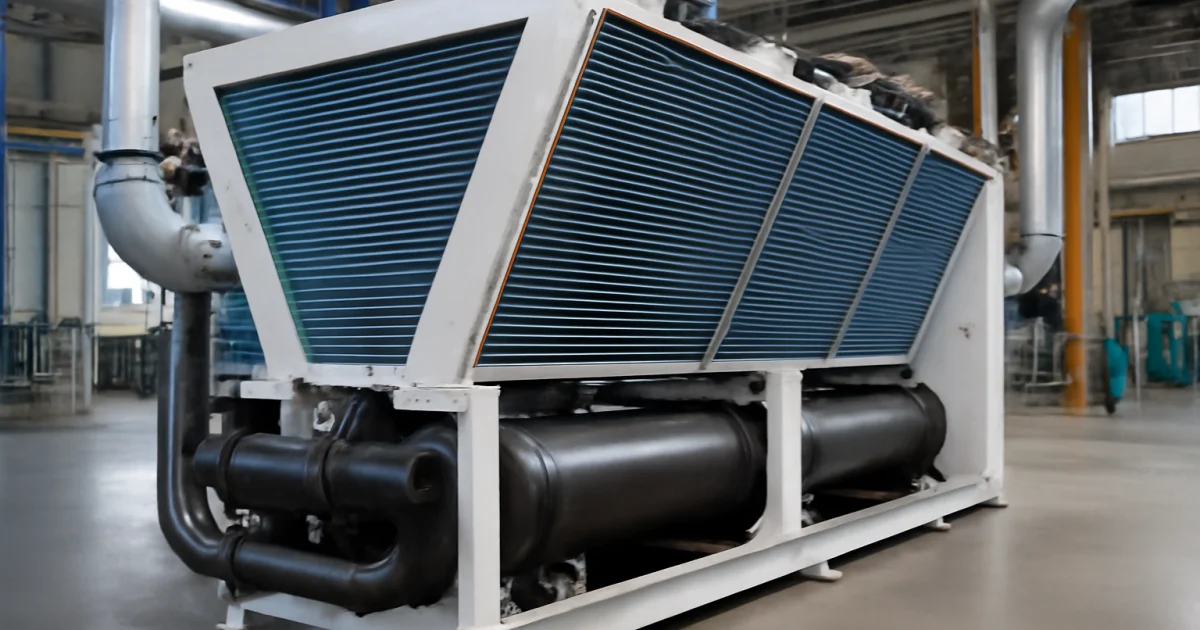
Industrial facilities in Malaysia face unique challenges when it comes to maintaining consistent cooling performance. With high humidity, fluctuating temperatures, and demanding operational hours, the choice of chiller condenser coil is far from a trivial decision. As an HVAC specialist with decades of experience in industrial cooling, I’ve seen how the right—or wrong—condenser coil selection can influence operational efficiency, system longevity, and even profitability. In this article, I’ll share my expert perspective on why careful coil selection is essential, the technical and practical considerations involved, and how Malaysian operators can make informed choices for their facilities. For readers comparing options, Chiller Condenser coil Malaysia is the main topic this guide explains.
The Critical Role of Chiller Condenser Coils in Industrial Cooling
Chiller systems are the backbone of process cooling in many Malaysian industries—from manufacturing plants and data centres to commercial complexes and marine operations. At the heart of every chiller, the condenser coil is responsible for dissipating heat absorbed during the cooling cycle. Its performance directly impacts the efficiency of water cooled, air cooled, and industrial water chiller systems alike.
When a condenser coil is matched correctly to the application, it ensures optimal thermal exchange, reduces compressor workload, and helps maintain stable temperatures in sensitive environments. Conversely, a poorly chosen coil can lead to increased energy consumption, frequent breakdowns, and even production downtimes.
Key Factors Influencing Condenser Coil Selection in Malaysia
Malaysia’s climate and industrial landscape present specific demands. Here are the main factors that should influence your choice:
- Climate Conditions: High ambient temperatures and humidity mean coils must be sized and constructed to handle heavy thermal loads without loss of efficiency.
- Operating Environment: Facilities close to coastal regions or exposed to corrosive atmospheres (such as chemicals or salt air) require coils with enhanced corrosion resistance, such as epoxy-coated or copper-fin designs.
- System Type: The requirements for air cooled chiller systems differ from those of water cooled or industrial water cooled chillers. Coil size, material, and configuration must align with the system design.
- Maintenance Accessibility: In many industrial settings, ease of cleaning and access for maintenance can influence coil life and overall system reliability.
- Compliance and Standards: Adherence to local and international HVAC standards ensures safety, performance, and potential eligibility for energy efficiency grants or incentives.
Expert Insights: Common Mistakes in Coil Selection
From my experience, many costly issues with chillers in Malaysian industry stem from oversights during the condenser coil selection process. Common pitfalls include:
- Underestimating Load Requirements: Selecting a condenser coil based on initial cost rather than true cooling demand often results in undersized coils, leading to reduced efficiency and system strain.
- Ignoring Environmental Factors: Failing to account for high humidity or corrosive environments can accelerate coil degradation and increase maintenance costs.
- Overlooking Material Compatibility: Using incompatible metals can cause galvanic corrosion, shortening coil lifespan and causing leaks.
- Poor Fit with Existing Infrastructure: Retrofitting chillers without assessing the compatibility of new coils with existing pipework and controls can create operational headaches.
Industrial water chiller Malaysia projects have shown that a tailored approach—factoring in both technical and site-specific variables—produces the best long-term outcomes.
How Proper Coil Selection Drives Efficiency and Cost Savings
Choosing the right chiller condenser coil isn’t just about meeting basic cooling needs. It’s a strategic investment in your facility’s operational resilience and bottom line. Here’s how:
- Improved Energy Efficiency: High-performance coils optimise heat rejection, lowering compressor run times and reducing energy bills for industrial and commercial facilities.
- Extended Equipment Life: Quality coils, properly matched and maintained, reduce wear on compressors, pumps, and heat exchangers—key components in water cooled and air cooled chiller setups.
- Reduced Downtime: By handling local climate extremes, robust coils minimise the risk of overheating and emergency repairs, keeping production lines running smoothly.
- Lower Maintenance Costs: Durable, corrosion-resistant coils require less frequent cleaning and repair, freeing up maintenance teams for other critical tasks.
- Compliance and Sustainability: Efficient coils help facilities meet regulatory requirements and corporate sustainability goals by reducing overall energy use and emissions.
Considerations for Specialised Applications: Data Centres, Marine, and Industrial Processes
Certain Malaysian industries require specialised chiller solutions. For data centres and critical infrastructure, temperature precision and reliability are paramount. This means condenser coils must be engineered for stable performance under constant load and often paired with advanced controls or redundancy features.
Marine and offshore operators face additional challenges, such as salt-laden air and restricted space. Here, custom-fabricated coils with marine-grade materials, such as copper-nickel alloys, are crucial to prevent rapid corrosion and ensure consistent performance.
Industrial process cooling—especially in chemical, food, and electronics manufacturing—may require coils capable of handling unique fluids, aggressive cleaning cycles, or integration with shell & tube heat exchangers for added thermal management.
Best Practices When Sourcing Chiller Condenser Coils in Malaysia
To ensure you select the right condenser coil for your facility, consider these expert-recommended steps:
- Work with Experienced Partners: Engage with HVAC specialists who understand both international best practices and Malaysian site realities. Local expertise can help you avoid common pitfalls.
- Request Customisation Where Needed: Don’t settle for generic solutions. Custom coils can be designed to handle your unique operating environment, load profile, and spatial constraints.
- Prioritise After-Sales Support: Reliable technical support, preventive maintenance, and ready access to spare parts are essential for long-term system performance.
- Insist on Quality Materials and Construction: Specify corrosion-resistant finishes, robust tube/fin geometry, and, where appropriate, advanced monitoring or cleaning features.
- Evaluate Total Lifecycle Cost: Consider not just the upfront price but the expected savings in energy, repairs, and downtime over the system’s lifespan.
Conclusion: Informed Coil Selection Is a Competitive Advantage
In summary, the right chiller condenser coil selection is a foundational decision for any Malaysian industrial facility seeking reliable cooling, energy savings, and operational resilience. With the country’s combination of harsh climate and diverse industrial needs, a one-size-fits-all approach rarely delivers lasting results. Instead, working with experienced HVAC partners and prioritising tailored, high-quality coil solutions can yield significant long-term benefits—from lower running costs to improved system reliability and sustainability. As an HVAC expert, my advice is clear: invest the time and expertise upfront in coil selection, and your facility will reap the rewards for years to come.
Frequently Asked Questions
What is the main function of a chiller condenser coil in industrial cooling systems?
A chiller condenser coil is responsible for removing heat from refrigerant as it cycles through the system. It dissipates this heat into the surrounding air or water, allowing the chiller to maintain the desired temperature in industrial and commercial facilities.
How does Malaysia’s climate affect chiller condenser coil performance?
Malaysia’s high humidity and elevated ambient temperatures increase the thermal load on condenser coils. Coils must be properly sized and constructed from corrosion-resistant materials to maintain efficiency and avoid premature failure in these conditions.
What are the signs that a condenser coil is undersized or failing?
Common indicators include rising energy bills, the chiller running for longer periods, inconsistent cooling, frequent system shutdowns, and visible corrosion or leaks on the coil. Timely inspection and professional servicing can help identify and address these issues.
Can existing chillers be upgraded with new condenser coils?
Yes, many chillers can be retrofitted with new or custom condenser coils, especially when a facility’s cooling demands have changed or if the original coils are damaged. However, compatibility with existing pipework and controls must be carefully assessed by an experienced HVAC technician.
What is a shell & tube heat exchanger, and how does it relate to chiller systems?
A shell & tube heat exchanger is a device used to transfer heat between two fluids without mixing them. In chiller systems, they are often used alongside condenser coils to improve heat rejection efficiency in industrial cooling applications.
Need Expert Advice on Chiller Condenser Coils?
Ensure your industrial cooling system is built for Malaysia’s unique climate and operational demands. T-Technic Engineering Sdn Bhd offers professional guidance, supply, installation, and maintenance of chiller condenser coils, industrial water chillers, and comprehensive HVAC solutions. With over 25 years of experience and a strong focus on reliability and after-sales support, our team helps you maximise efficiency and minimise downtime.
Contact us today to discuss your facility’s requirements and discover how our tailored solutions can deliver long-term value.

